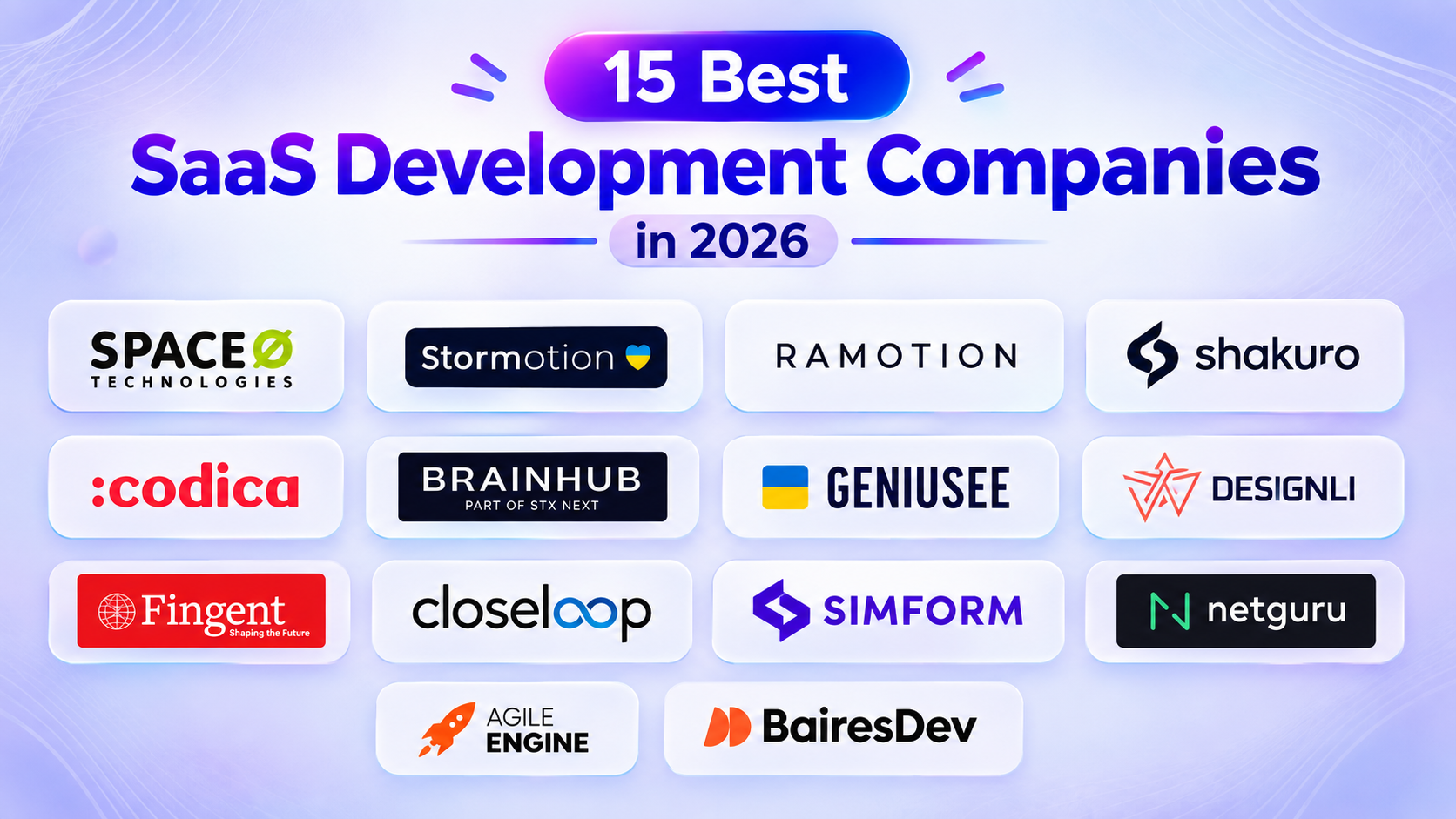
Search for “best SaaS development company” and you’ll find dozens of lists that all look the same. Ten names, no clear reasoning, and half of them wrote the article about themselves.
That’s not much help when you’re about to hand someone six figures and eight months of your product’s life.
Our list relies on verified Clutch and GoodFirms reviews, case studies, company longevity, and pricing transparency. Expect 15 vetted options, clear price ranges, and a practical way to test partners.
Use this shortcut to bypass endless sales calls and mismatched quotes, but treat it as a starting point before final vetting through conversations and a trial project.
Fair warning: reading fifteen profiles back to back can feel like a lot. Stick with it anyway, since the pattern that separates a solid partner from a risky one shows up more clearly once you’ve seen a few side by side.
How We Evaluated These SaaS Development Companies
We ranked these companies using five factors: verified client reviews, SaaS-specific portfolio depth, years active, breadth of services, and pricing transparency. Each one had to clear all five before making the cut.
Here’s what we looked at for every company:
- Verified reviews. Ratings and written feedback from platforms like Clutch and GoodFirms, not testimonials pulled from the agency’s own homepage.
- SaaS-specific work. A portfolio of actual SaaS products, not just general websites or apps relabeled as SaaS.
- Years in operation. Longevity matters because SaaS products need years of support after launch, not just a handoff.
- Service range. Whether the company can handle discovery, design, development, and post-launch maintenance, or only one slice of that.
- Pricing honesty. Whether a company gives real ranges or hides behind “contact us for a custom quote” on every page.
Worth knowing upfront: many software agency lists, including some ranking platforms, accept paid placements or self-submitted profiles. That doesn’t make every company on those lists bad, but it does mean star ratings alone aren’t proof of quality. We cross-checked claims against independent reviews wherever we could.
Here’s a quick gut check you can run yourself on any company, on this list or off it. Search the company name plus the word “reviews” on a site you don’t control, like Clutch or GoodFirms, instead of trusting the testimonials on their homepage. If the results thin out fast or the reviews sound suspiciously similar, that’s a signal worth noticing before you send over a deposit.
None of this guarantees a perfect match for your specific project, but it filters out the companies riding purely on marketing budget. With that groundwork covered, here’s the full lineup at a glance before we break down each one.
Quick Comparison: 15 SaaS Development Companies at a Glance
Here’s the shortlist side by side, so you can narrow it down before reading every profile in detail. Pricing tiers are relative, not exact quotes, since actual cost still depends on your scope, timeline, and how much of the work needs senior engineers versus junior ones.
| Company | Headquarters | Best For |
| CodersBucket | Bangladesh | Senior offshore team at fair rates |
| BairesDev | Argentina / LatAm | Fast nearshore team scaling |
| AgileEngine | United States | US account management, cost-efficient delivery |
| Netguru | Poland | Design-led product engineering |
| Upsilon | United States | MVP development, Team augmentation |
| Closeloop Technologies | United States | Domestic US point of contact |
| Fingent | United States / India | Enterprise legacy modernization |
| Designli | United States | First-time founders building an MVP |
| Geniusee | Ukraine | Mid-range senior engineering talent |
| Brainhub | Poland | Startups with evolving product scope |
| Codica | Ukraine | Marketplace and multi-sided platforms |
| Shakuro | Eastern Europe | Design-heavy SaaS products |
| Ramotion | United States | Brand and interface polish |
| Stormotion | Ukraine | Mobile-first SaaS products |
| Space-O Technologies | India | Budget-conscious startup builds |
Now, let’s look at what makes each one worth your attention.
The 15 Best SaaS Development Companies in 2026
Every profile below follows the same structure on purpose. That way you can compare apples to apples instead of reading fifteen different marketing pitches, and you can skim straight to the sections that matter most to your project.
1. CodersBucket
CodersBucket is a Bangladesh-based software development company known for building custom SaaS platforms and AI-powered applications for startups and agencies worldwide. The company has delivered more than 180 projects across 14-plus years and holds a 5.0 rating on Clutch.
Its core services include MVP and SaaS product development, AI integration, offshore team augmentation, and platform modernization. What stands out is the in-house senior team structure, meaning your project isn’t quietly subcontracted out once the contract is signed.
Proof shows up in the numbers. CodersBucket built Simply Eloped into a marketplace generating $6 million in annual revenue across 13,000-plus weddings and 800-plus vendors. It also engineered Surokkha, a national vaccination platform that processed over 108 million vaccinations for the Bangladesh government. You can see more of that track record in the case studies.
Best for: startups and agencies that want experienced engineers at offshore rates without sacrificing communication or ownership.
2. BairesDev
BairesDev is a Latin America-based nearshore development company built around staff augmentation and custom software delivery at scale. It’s one of the larger names in this list by team size, which makes it a fit for companies that need to grow a team quickly.
Its SaaS-relevant services cover dedicated engineering teams, full product development, and QA.
BairesDev has built a strong reputation on Clutch for reliability and time zone alignment with US clients. Its scale also means it can staff larger, multi-team projects that smaller boutiques would need months to ramp up for.
Best for: companies that need to scale a development team fast without the recruiting cycle, especially when the project spans several product lines at once.
3. AgileEngine
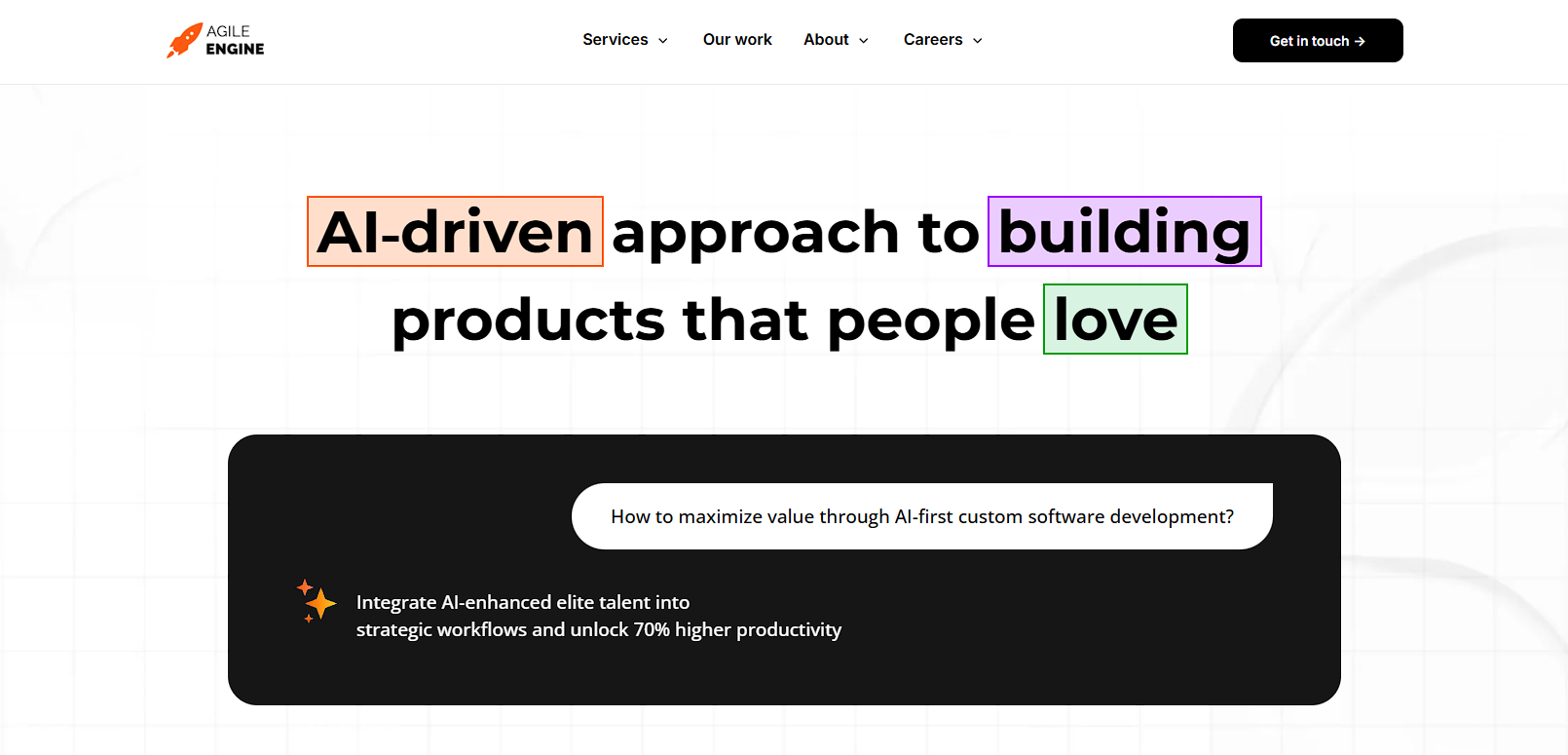
AgileEngine is a US-headquartered product engineering company with delivery teams spread across Latin America and Eastern Europe. That structure gives clients a domestic point of contact paired with cost-efficient engineering underneath.
Services include custom SaaS development, UI and UX design, and long-term product teams that stick with a client well past the initial launch.
AgileEngine consistently ranks among the highest-reviewed software developers on Clutch, and its client roster leans toward mid-size and growth-stage companies rather than very early startups.
Best for: mid-market and enterprise SaaS companies that want US-based project management with global delivery cost savings baked in.
4. Netguru
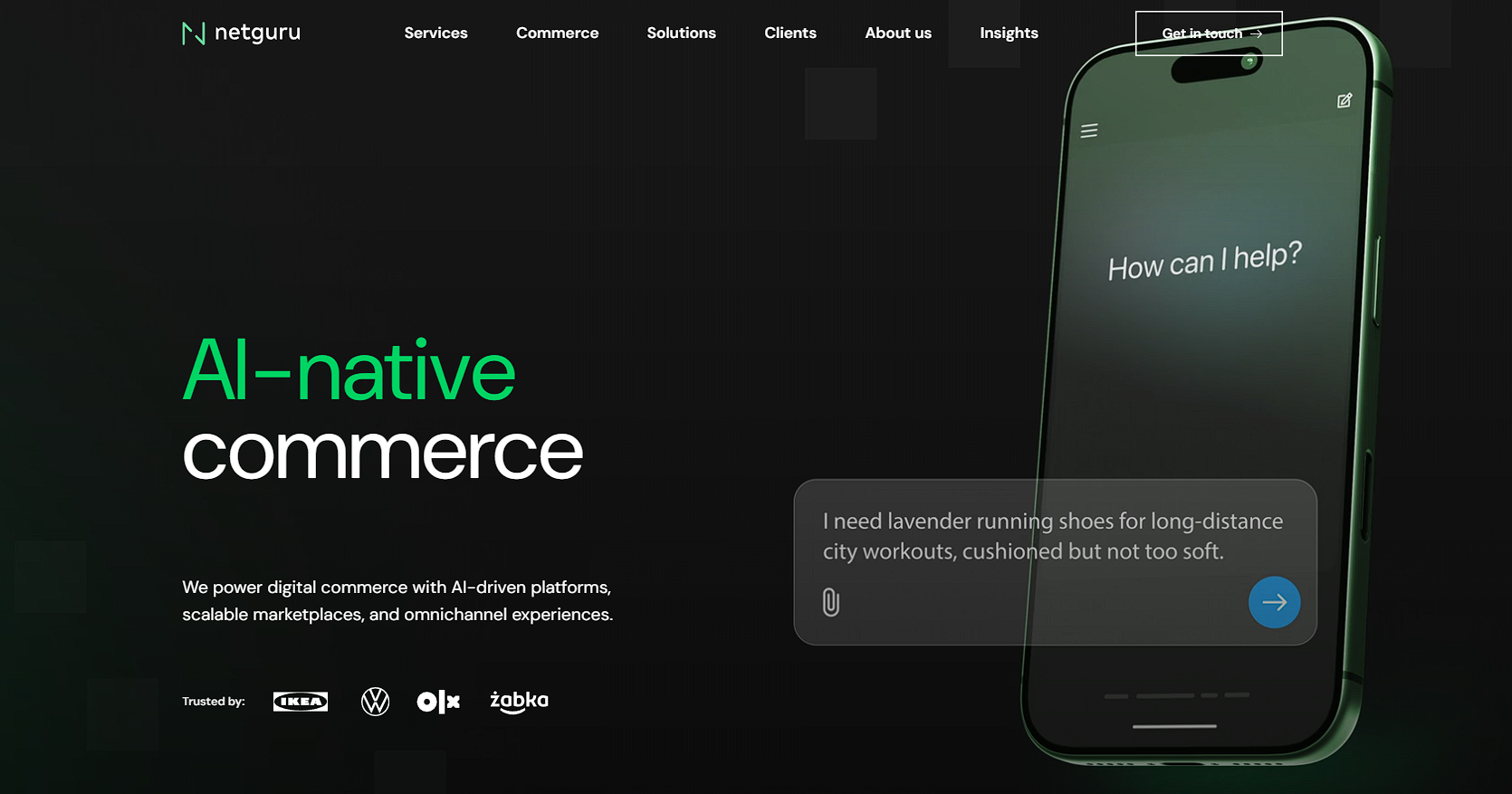
Netguru is a Poland-based product development company that leans heavily into design-led engineering. Instead of treating design and development as separate phases, its teams build both together from day one.
Its SaaS work spans product strategy, UX research, and full-stack engineering. Most clients are European and global product teams that already have traction and need a partner for the next growth phase, not the very first prototype.
Best for: founders who want strong product thinking baked into the build, not bolted on afterward.
5. Upsilon
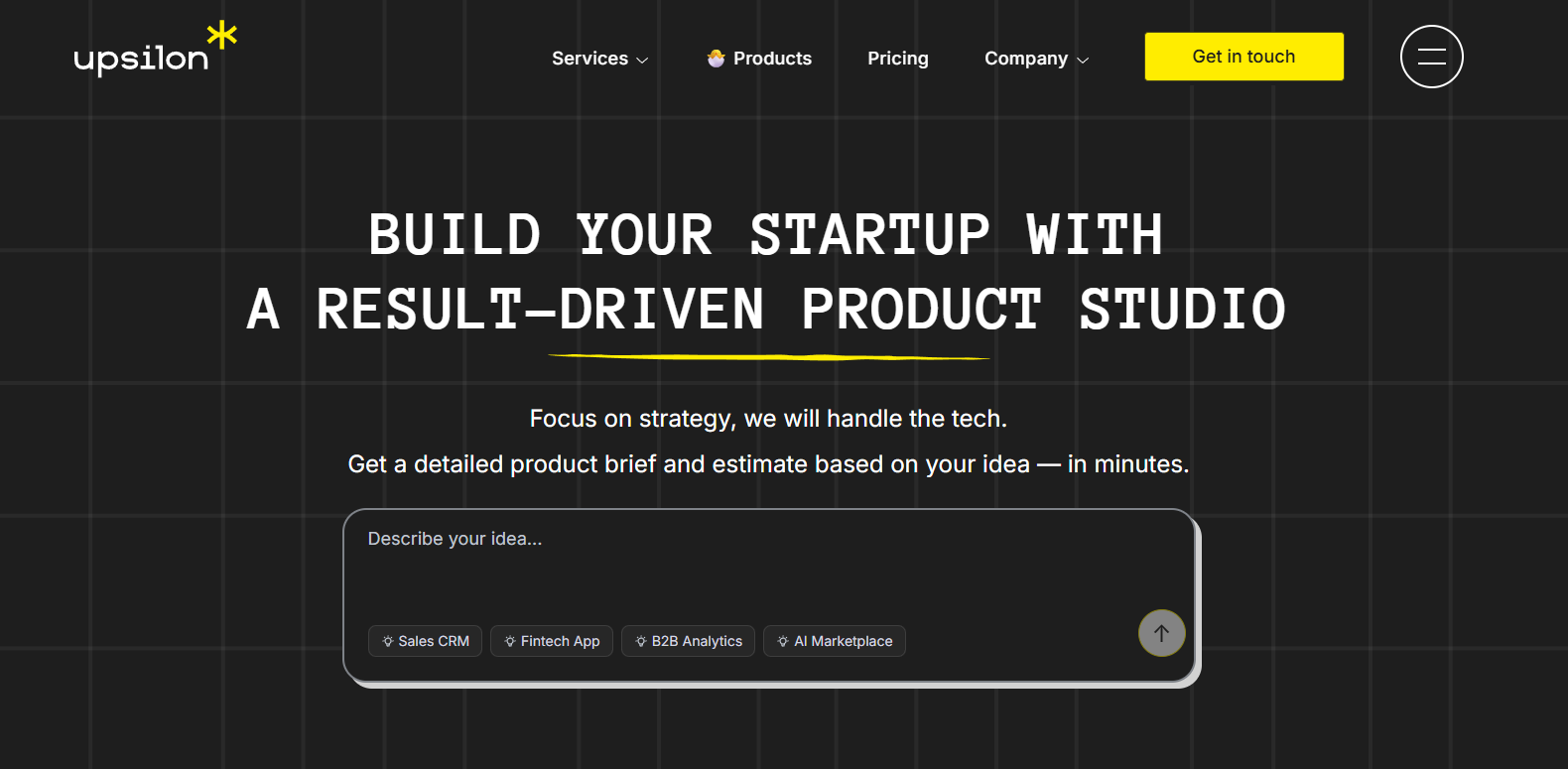
Upsilon helps startups and fast-growing businesses turn ambitious SaaS concepts into market-ready products in record time. With a track record of over a decade and 25+ successful launches, their team specializes in building secure, fully featured MVPs in as little as three months.
More than just a dev shop, Upsilon serves as an end-to-end technology partner handling everything from initial prototyping and cloud architecture to continuous scaling and integrations. Their flexible dedicated teams integrate seamlessly into your workflow, offering the speed, reliability, and transparency needed to scale with confidence.
Best For: Startups and scaling SaaS companies building products that need rapid MVP development
6. Closeloop Technologies
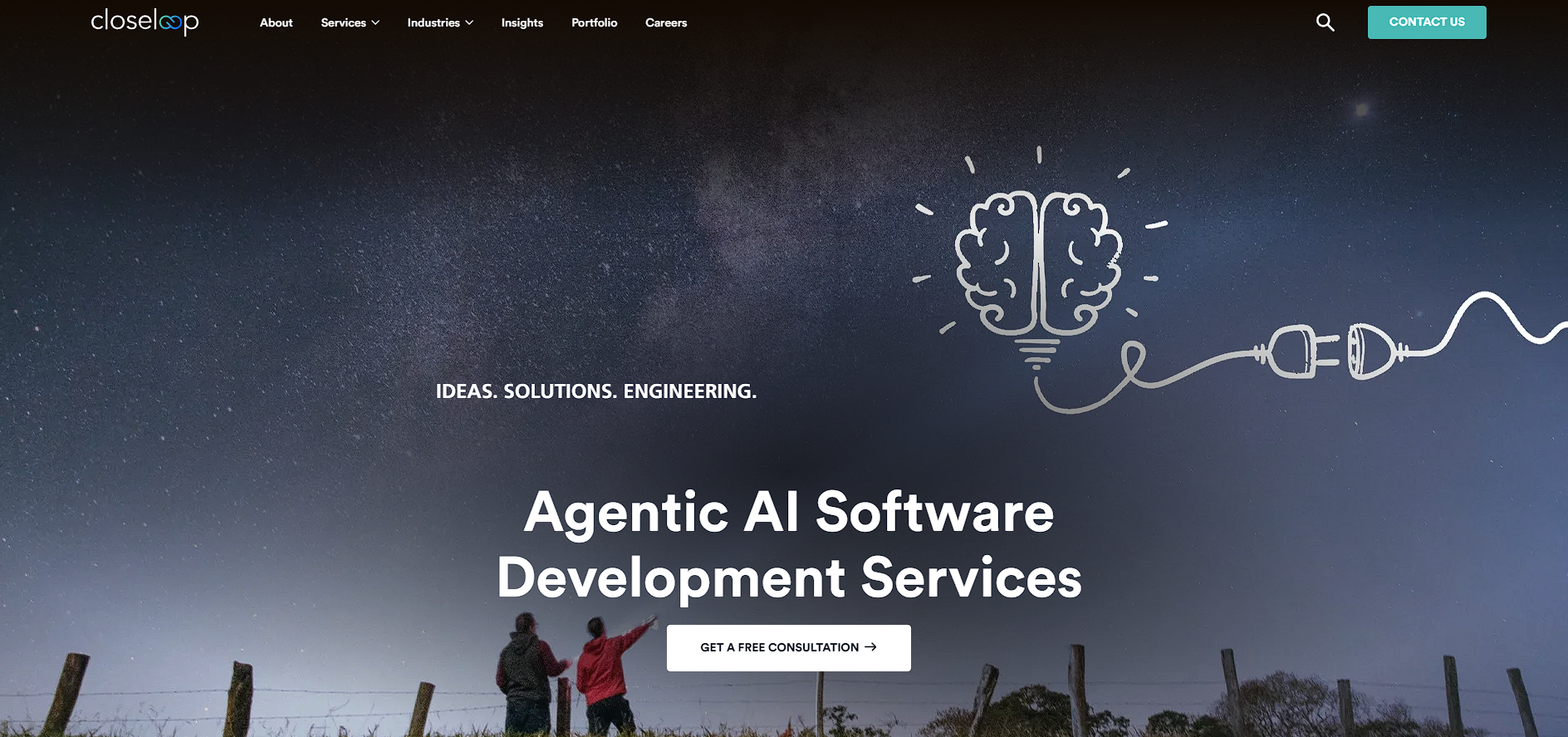
Closeloop Technologies is a California-based custom software company with strong, verified Clutch reviews. Being US-based means clients get a domestic team and time zone without going fully offshore.
The company handles custom SaaS development, healthcare and fintech-adjacent projects, and full product lifecycles. Its experience in regulated industries shows up clearly in how it handles security and compliance conversations early in scoping.
Best for: US startups that want a domestic development partner without hiring in-house.
7. Fingent
Fingent is a US-headquartered company with delivery capacity in India, giving it a longer operating history than many names on this list.
It specializes in enterprise digital transformation, which often means turning legacy systems into modern SaaS platforms without breaking what already works for existing customers.
Its services also stretch into custom ERP and workflow automation, which pairs naturally with SaaS builds for larger organizations juggling several internal systems at once.
Best for: enterprises modernizing older systems into scalable, subscription-based software.
8. Designli
Designli is based in Tampa, Florida, and built its reputation around MVP development for first-time founders.
The team leans into hand-holding through the early, confusing part of building a product from scratch, walking clients through decisions most founders have never had to make before.
Best for: non-technical founders who need guidance as much as engineering.
9. Geniusee
Geniusee is a Ukraine-based SaaS product engineering company that gives startups access to senior Eastern European talent at mid-range pricing.
Its work covers product strategy, architecture, and full development cycles, with a track record that includes fintech and edtech platforms.
Best for: startups wanting senior engineering without US or Western European price tags.
10. Brainhub
Brainhub is a Poland-based software company known for working comfortably with evolving, not-yet-fully-defined product scope.
That’s a real advantage for early-stage founders whose requirements shift as they learn more from users, rather than locking everything into a rigid spec on day one.
Best for: startups whose product scope is still taking shape.
11. Codica
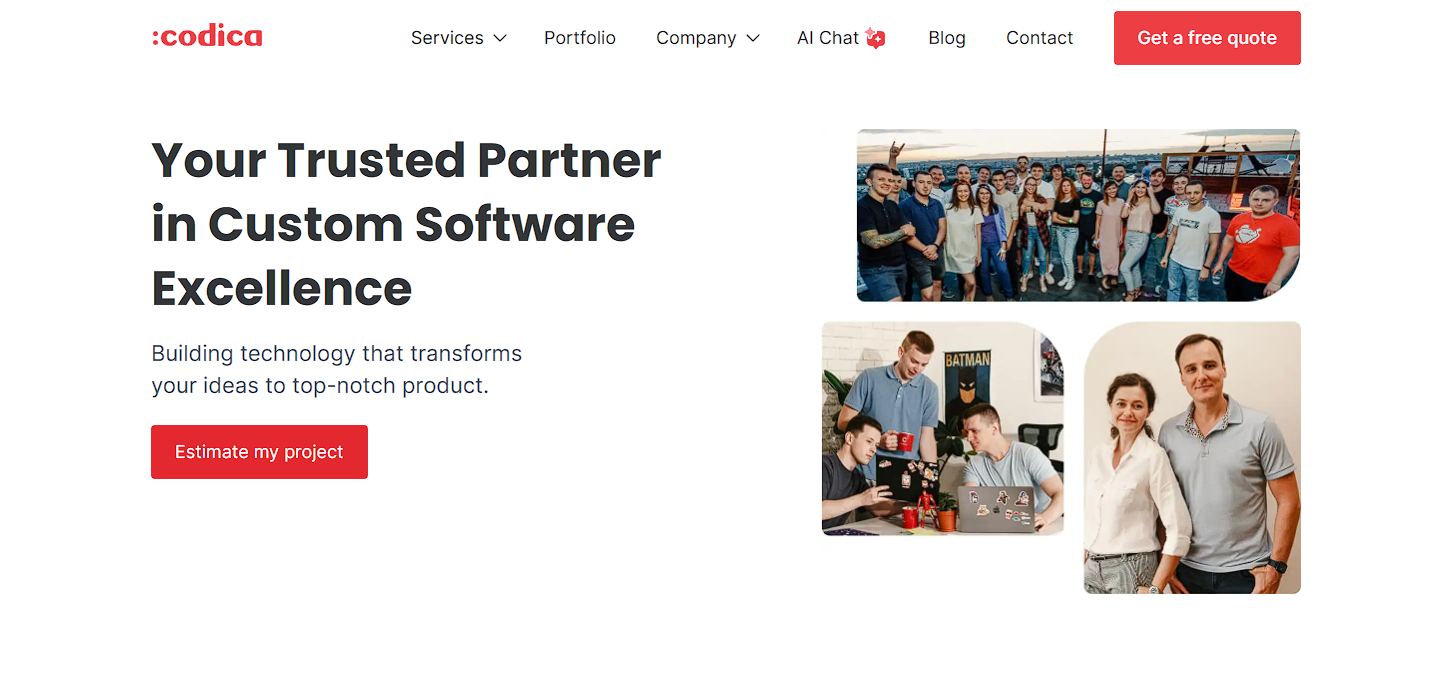
Codica is a Ukraine-based company that specializes specifically in marketplace and multi-sided SaaS platforms. If your product connects buyers and sellers, or any two-sided user base, this specialization is worth noting. Marketplace logic like matching, payouts, and trust signals rarely fits a generic SaaS template.
Best for: marketplace builders and multi-sided platform products.
12. Shakuro
Shakuro blends design and engineering into one team, based across Eastern Europe. For SaaS products where the interface is a genuine competitive advantage, such as creative tools or consumer-facing dashboards, this design-first approach carries real weight.
Best for: products where design quality drives as much value as backend logic.
13. Ramotion
Ramotion is a San Francisco-based agency built around UX-first SaaS design and development. Brand and interface polish sit at the center of its process rather than as an afterthought before launch, which shows in its client list of well-funded, design-conscious startups.
Best for: companies where brand perception and interface quality are top priorities.
14. Stormotion
Stormotion is a Ukraine-based team focused on mobile-first SaaS and startup products. If your product lives primarily on a phone rather than a browser, this focus matters, since mobile-first architecture decisions differ quite a bit from a browser-based SaaS build.
Best for: startups building a mobile-first SaaS product.
15. Space-O Technologies
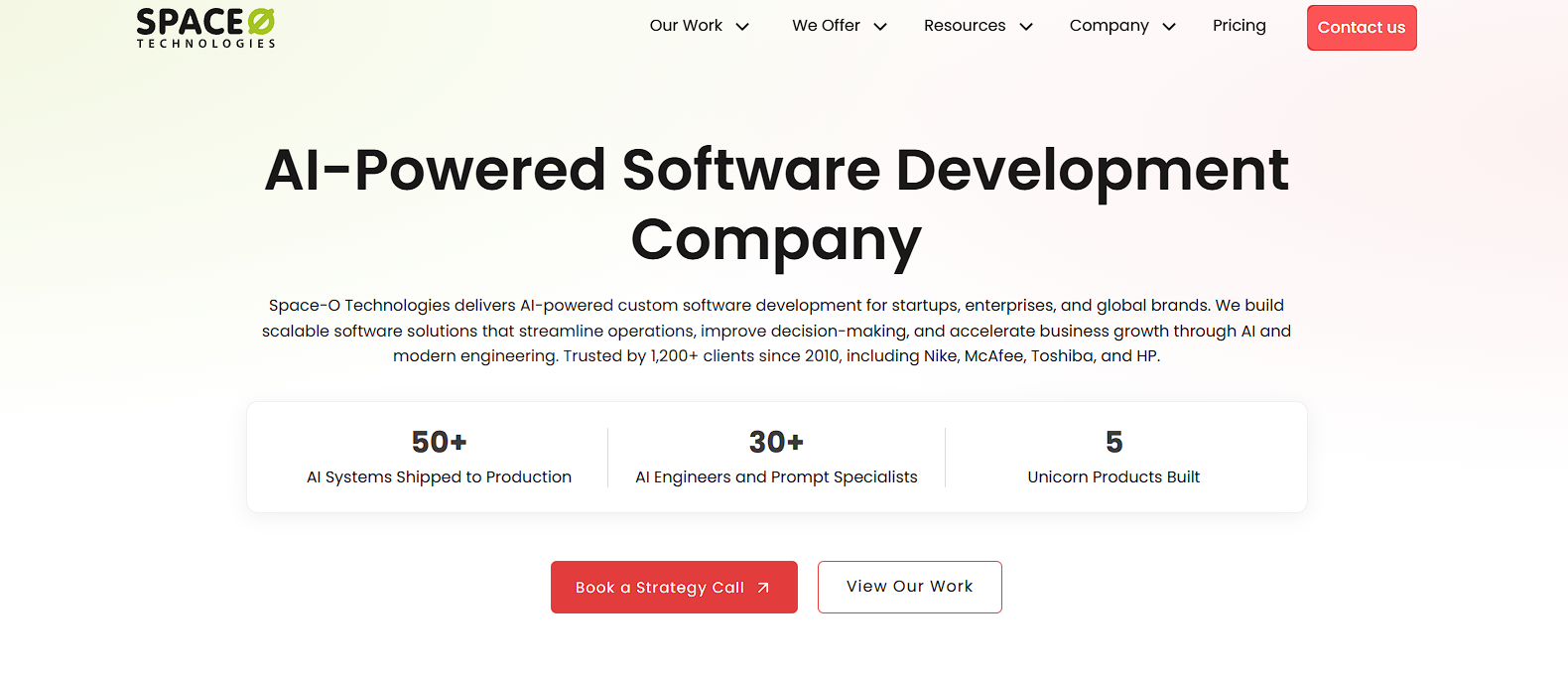
Space-O Technologies is an India-based company with over 14 years in business. Its portfolio includes contributions to five companies that later reached unicorn status, plus more than 65 startup products built overall. That track record makes it one of the more established names in the budget-friendly tier.
Best for: budget-conscious startups that still want a proven, long-running partner.
Fifteen strong options is a good problem to have, but it still leaves the real question unanswered: what should you actually expect to pay?
How Much Does It Cost to Hire a SaaS Development Company
A basic SaaS MVP typically costs between $25,000 and $70,000. A mid-complexity platform runs $80,000 to $200,000, and an enterprise-grade product with compliance needs can pass $200,000 to $500,000 or more, according to cost breakdowns from Technource. Complexity and compliance drive that range. Team size and timeline matter less than people assume.
Cost by Project Complexity
- Basic MVP: core features only, minimal integrations, fastest path to a testable product.
- Mid-complexity platform: multiple user roles, payment processing, and several third-party integrations.
- Enterprise-grade product: compliance requirements like HIPAA or SOC 2, custom infrastructure, and advanced security.
Cost by Region
Where your development team sits changes the math significantly. Indian and South Asian firms often charge $25 to $49 per hour for senior engineers.
Eastern European teams typically run $50 to $99 per hour. US-based agencies commonly charge $150 to $200 per hour or more for similar seniority, based on rate data from Decipher Zone and Clutch.
That gap is exactly why so many funded startups build with an offshore development team while keeping product direction in-house. The savings aren’t just about spending less. They’re about stretching the same budget into a larger, more senior team.
Here’s what that looks like in practice. A $60,000 budget buys roughly 300 to 400 hours from a US agency charging $150 to $200 per hour.
That same $60,000 stretches to 1,200 hours or more with an offshore team charging $40 to $50 per hour. That extra time is often the difference between a bare MVP and one with room for a proper testing cycle before launch.
One more cost trap worth naming: compliance work like HIPAA or SOC 2 tends to surprise founders late, not early.
Building audit logging and access controls into the data layer from day one costs less than retrofitting it after a client asks for a security review. Ask any company you’re evaluating how they’d handle that scenario, and their answer will tell you more than their rate card will.
Numbers only tell you what’s affordable, though. They don’t tell you who’s actually reliable, which is where the next step matters more.
How to Choose the Right SaaS Development Company From This List
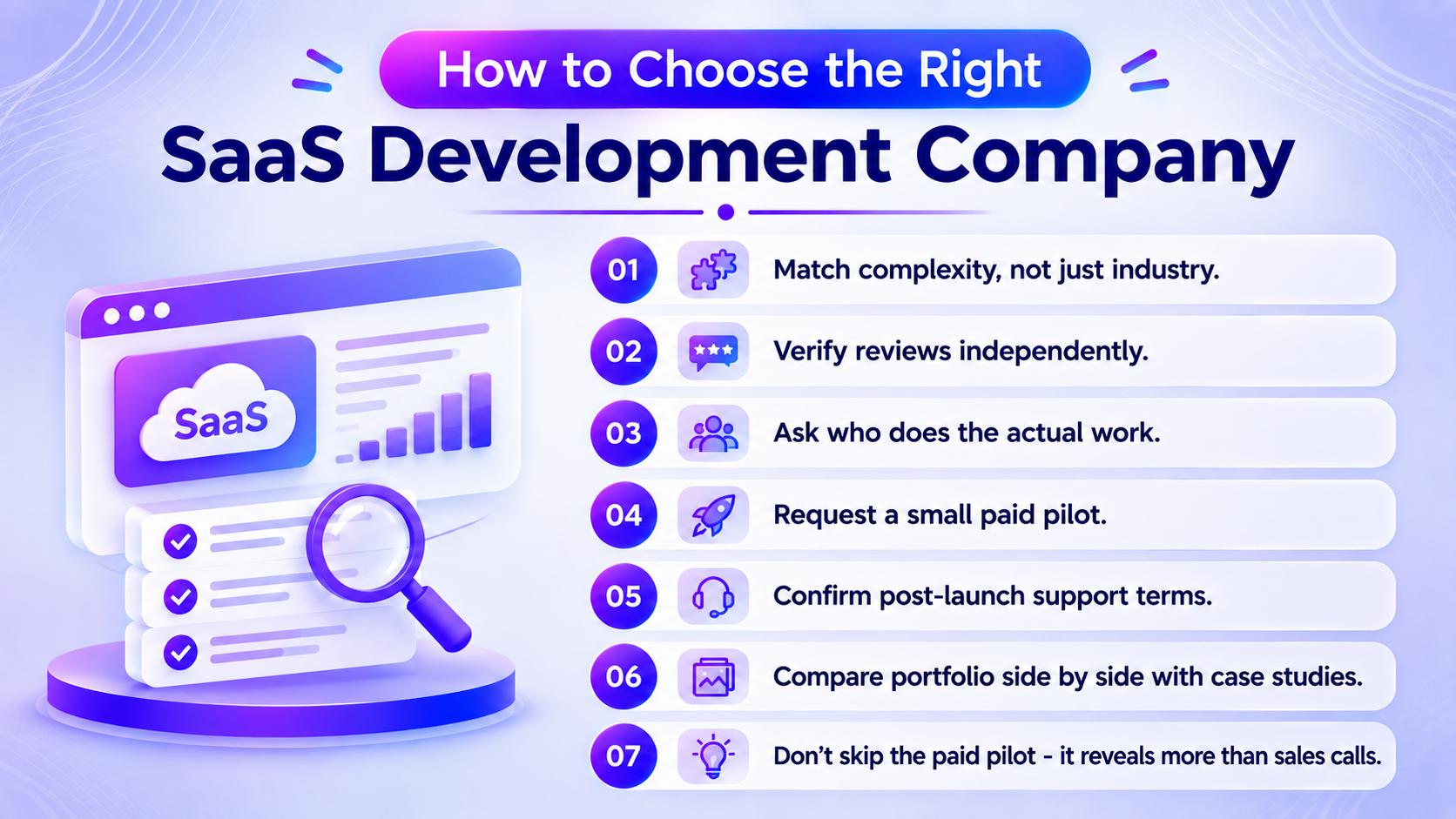
Pick the company whose past work matches your project’s complexity. Then verify that match through independent reviews before signing anything, because star ratings and glossy case studies only tell half the story.
Before committing, run through this checklist:
- Match complexity, not just industry. A company that has only built simple internal tools may struggle with a multi-tenant SaaS platform. That’s true even if they’ve worked in your exact industry before.
- Verify reviews independently. Read full reviews on Clutch or GoodFirms rather than relying on quotes pulled onto the agency’s own site.
- Ask who does the actual work. Some agencies subcontract delivery after the sales call ends, so confirm the real team composition upfront.
- Request a small paid pilot. A one to two week paid trial project reveals communication style and code quality far better than any sales pitch.
- Confirm post-launch support terms. Get support and maintenance terms in writing before the contract is signed, not after launch when your negotiating power drops.
If you want a reference point for what a well-documented portfolio should look like, browse a company’s project portfolio side by side with its case studies. That comparison is a quick way to judge consistency between claims and actual delivered work.
That paid pilot step deserves one more word, because it’s the step most founders skip. A two-week trial costs a few thousand dollars and feels like a delay when you’re eager to move fast.
But watching how a team handles a small, real task tells you more about their process, communication, and code quality than three sales calls ever will. Skip it, and you’re really just hoping the sales pitch matches the delivery team.
Choosing well takes some effort, but knowing what to avoid is just as important.
Red Flags to Watch for When Hiring a SaaS Development Partner
A few warning signs tend to show up before a project goes wrong. Most of them are visible during the sales process if you know where to look.
Watch out for:
- A fixed quote with no discovery phase. Real scoping takes time. A number handed to you in the first call usually means corners get cut later.
- No named case studies or clients. Vague claims like “we’ve helped many startups” without specifics are a soft signal of thin experience.
- Reluctance to share references. A confident team will connect you with a past client, not dodge the request.
- Communication only through sales reps. If engineers and project leads stay invisible until after signing, that’s worth questioning.
- No clear QA process. Ask how testing works day to day, not just whether testing happens at all.
- Pressure to sign quickly. A rushed contract usually means a busy sales pipeline, not urgency on your behalf.
None of these mean automatic disqualification on their own, but two or three together are worth a serious second look. Trust your gut here. If something feels off in the first two conversations, it rarely gets better once money’s on the table.
Final Thoughts
No single SaaS development company fits every project. The right choice hinges on your budget, product complexity, and required guidance.
For budget MVPs, consider Space-O Technologies or Geniusee. For top brand design, choose Ramotion or Shakuro. For complex marketplace logic, Codica excels. For a senior in-house team with marketplace and government-scale experience at fair rates, CodersBucket is ideal.
It’s worth repeating that the cheapest quote and the best partner are rarely the same company. A lower hourly rate often comes with constant handoffs, vague communication, or a subcontracted team.
That can cost more in rework than a slightly pricier team that gets it right the first time. Weigh the full picture, not just the number at the bottom of the proposal.
Whichever direction you go, run the checklist before you sign anything. A short paid pilot project will tell you more in two weeks than any pitch deck will in two hours. It also costs far less than discovering a mismatch six months into a contract.
Ready to see if your project is a fit? Get in touch with the CodersBucket team and start with a conversation, not a contract.
Frequently Asked Questions
What is a SaaS development company?
A SaaS development company designs, builds, and maintains cloud-based, subscription-delivered software for other businesses. That includes architecture, UI and UX design, development, testing, deployment, and ongoing support after launch.
How much does it cost to hire a SaaS development company?
Costs typically range from $25,000 for a basic MVP to $500,000 or more for an enterprise-grade platform with compliance requirements. Team location and project complexity are the two biggest cost drivers.
How do I know if a SaaS development company is legitimate?
Check for verified reviews on Clutch or GoodFirms, ask for named case studies with real results, and request references you can speak with directly. Legitimate companies rarely hesitate on any of these.
Should I hire a local or offshore SaaS development company?
Local teams offer easier time zone alignment and in-person meetings, while offshore teams typically cost 50 to 70 percent less for comparable seniority. Many funded startups choose offshore development while keeping product strategy in-house.
How long does it take to build a SaaS product?
A basic MVP usually takes three to four months, while a mid-complexity platform can take six to nine months. Enterprise-grade products with compliance needs often take a year or longer.
What should I ask a SaaS development company before hiring them?
Ask who will actually work on your project, how they handle scope changes mid-build, what their QA process looks like, and whether they’ll run a small paid pilot before a full contract. Their answers, not their sales pitch, will tell you what to expect.